Vertigo Care
Equipped with advanced diagnostic tools like Neuro Equilibrium and comprehensive vertigo testing, AHAD provides accurate diagnoses and rehabilitation for balance disorders. Specialized therapies include maneuvers, positioning exercises, and treatments for both central (brain-related) and peripheral (ear and neck-related) vertigo causes.
Neuro Equilibrium and Cyclops
Neuro Equilibrium and Cyclops are cutting-edge diagnostic systems designed to precisely assess balance disorders in individuals experiencing vertigo. These technologies utilize advanced sensors and imaging to evaluate the functioning of the vestibular system (inner ear) and central nervous system. By analyzing how the body perceives balance and motion, these tools help healthcare providers pinpoint the root causes of vertigo.
How Neuro Equilibrium and Cyclops Systems Assist in Diagnosing Balance Disorders
Neuro Equilibrium: This system provides a comprehensive evaluation of the vestibular system using various diagnostic tests such as VNG (Video Nystography) and SVV (Subjective Visual Vertical). It offers real-time data on balance function, allowing for accurate diagnosis and personalized treatment plans.
Cyclops
Cyclops is a diagnostic platform that captures precise eye movements and head positions to evaluate vestibular reflexes and detect abnormalities. It plays a crucial role in identifying conditions such as benign paroxysmal positional vertigo (BPPV) and vestibular neuritis

VNG - Video Nystography
Video Nystography
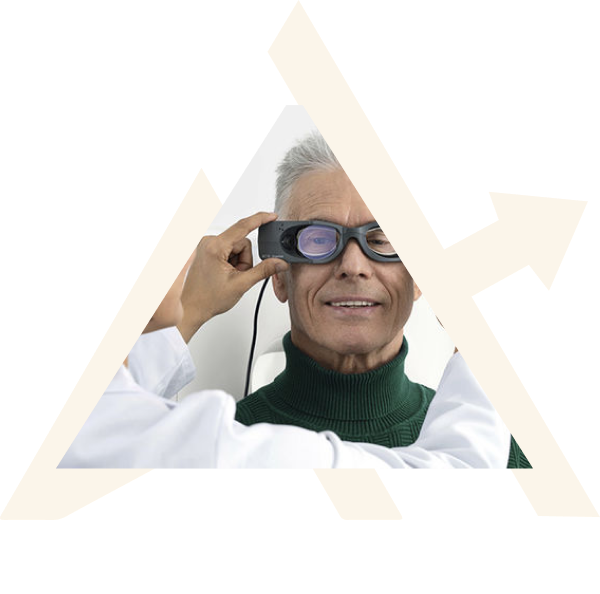
Video Nystography (VNG) is a diagnostic test used to assess abnormal eye movements (nystagmus) that occur when a person experiences dizziness or vertigo. VNG uses infrared cameras to record and track involuntary eye movements, providing insight into how the inner ear and brain interact to maintain balance.
How VNG Tracks Eye Movements to Diagnose Vertigo-Related Conditions
racking Eye Movements: By monitoring eye movements while the patient performs various visual tasks, such as following moving lights or turning the head, VNG identifies how well the brain and inner ear work together to control balance.
Diagnosis of Vestibular Disorders: VNG is highly effective in diagnosing disorders like BPPV, vestibular neuritis, and Meniere’s disease. It can also detect whether vertigo is due to central (brain-related) or peripheral (inner ear-related) causes
SVV - Subjective Visual Vertical
Overview of SVV and its role in diagnosing perception of vertical orientation
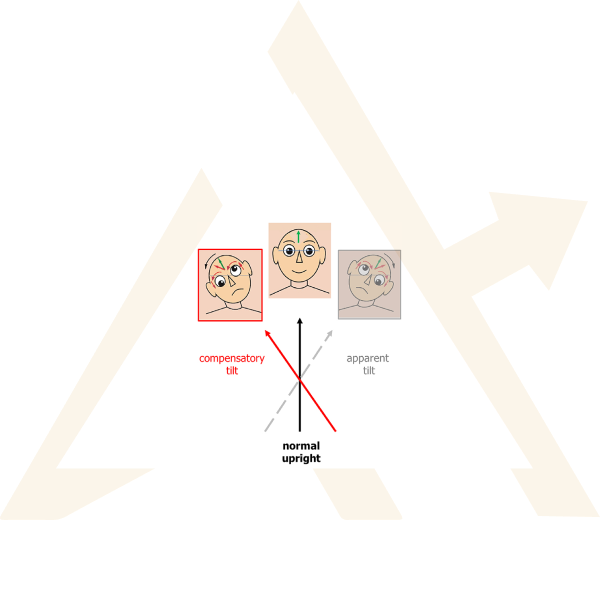
Subjective Visual Vertical (SVV) is a diagnostic test that evaluates a person’s ability to perceive vertical orientation correctly. Vertigo can distort the brain’s perception of what is "vertical," leading to imbalance and dizziness. The SVV test helps determine how well a person’s inner ear and brain work together to maintain a proper sense of orientation.
Importance of SVV in Determining Vertigo Causes
- Assessment of Vestibular Function: The SVV test is particularly useful in identifying vestibular disorders that affect the body’s spatial awareness. By measuring how accurately a person can perceive vertical orientation, healthcare providers can pinpoint problems in the vestibular system that cause dizziness and imbalance.
- Link to Central or Peripheral Causes: SVV can help differentiate between central and peripheral causes of vertigo. If the vestibular system is malfunctioning, the patient’s perception of vertical will be skewed, signaling inner ear or brain dysfunction.
Comprehensive Vertigo Test
Combination of Multiple Diagnostic Tools
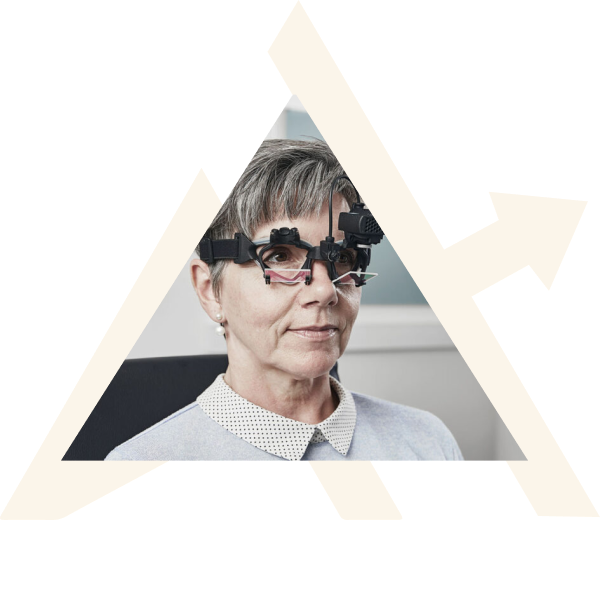
A Comprehensive Vertigo Test uses a combination of advanced diagnostic tools to assess various aspects of balance and vestibular function. The goal is to gather a complete picture of the underlying causes of vertigo and create a targeted treatment plan. The main components of the test include:
VNG – Video Nystography
As previously mentioned, VNG tracks eye movements to diagnose vestibular disorders by assessing how the brain and inner ear work together to control balance. It is an essential tool for diagnosing vertigo caused by inner ear dysfunctions.
SVV: Subjective Visual Vertical.
SVV evaluates the ability to perceive vertical orientation, identifying issues in the vestibular system that may lead to distorted balance perception and vertigo
Dynamic Visual Acuity
Dynamic Visual Acuity (DVA) tests the clarity of vision during head movements. Patients with vestibular disorders often struggle to see clearly when their heads move, as the brain cannot process visual information and balance signals simultaneously.
- Testing Vision During Movement: In the DVA test, patients are asked to read a line of letters on a screen while moving their heads side-to-side. If their visual clarity decreases during head movement, it indicates a vestibular issue affecting the brain’s ability to stabilize vision.
VHIT – Video Head Impulse Test
Video Head Impulse Test (VHIT) evaluates the function of the vestibulo-ocular reflex (VOR), which keeps vision stable while the head moves. The test involves quick, controlled movements of the patient’s head while a camera tracks the eye movements.
- Evaluating Vestibular Function: VHIT helps identify whether the vestibular system (inner ear) is functioning properly. It can detect subtle weaknesses in the semicircular canals, responsible for maintaining balance and visual stability during head movement.
Treatment and Rehabilitation
At AHAD Healthcare, our comprehensive rehabilitation programs are designed to address and manage a wide range of conditions affecting mobility, balance, and overall quality of life. Our treatments combine cutting-edge diagnostics with personalized therapy plans to ensure effective recovery and enhanced well-being.
Pelvic Floor Rehabilitation (Precise Pelvic Physiotherapy - P3)
Our tailored approach to pelvic floor rehabilitation focuses on improving the quality of life for individuals facing conditions such as incontinence, pelvic pain, and postpartum recovery challenges. Using evidence-based techniques, our physiotherapists guide patients through:
Muscle Strengthening Exercises: Targeted exercises to improve control and reduce symptoms of pelvic floor dysfunction.
Manual Therapy: Gentle manipulations to release tension and improve function.
Biofeedback Training: Advanced techniques to help patients gain better awareness and control of their pelvic muscles.
Postpartum Recovery Programs: Customized plans for mothers to regain core strength and address postpartum issues.

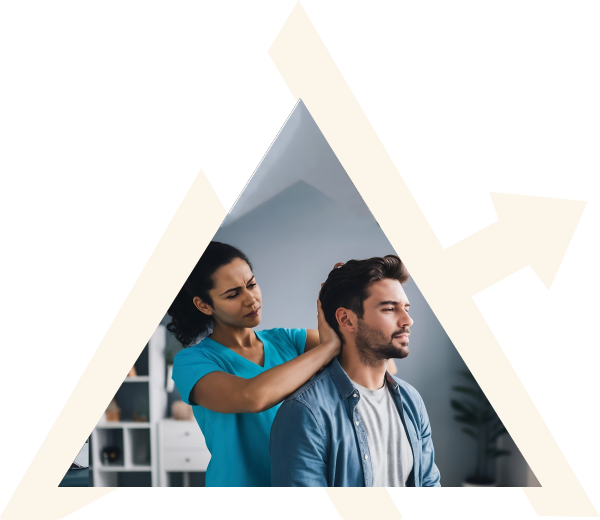
Vertigo Rehabilitation
For individuals experiencing balance disorders and vertigo, AHAD Healthcare offers specialized therapies aimed at restoring stability and confidence.
Diagnostic Precision: Utilizing tools like Neuro Equilibrium and Cyclops, we identify central (brain-related) and peripheral (ear and neck-related) causes of vertigo.
Maneuvers and Positioning Exercises: Techniques to realign inner ear crystals and improve balance.
Gaze Stability Training: Exercises focused on enhancing visual focus during head movements.
Customized Exercise Programs: Designed to improve strength, coordination, and balance, helping patients regain independence.
Causes for Vertigo
Vertigo is a sensation of spinning or dizziness that can result from various underlying conditions. At AHAD Healthcare, we identify and treat the root causes of vertigo to ensure effective and lasting relief. The causes of vertigo can be broadly categorized into central and peripheral origins:
Peripheral Causes
These are related to problems in the inner ear and the vestibular system, which controls balance. Common peripheral causes include:
- Benign Paroxysmal Positional Vertigo (BPPV): Caused by displaced crystals in the inner ear that disrupt balance signals.
- Vestibular Neuritis or Labyrinthitis: Viral or bacterial infections affecting the vestibular nerve or inner ear.
- Meniere's Disease: A condition characterized by fluid buildup in the inner ear, leading to vertigo, tinnitus, and hearing loss.
- Perilymph Fistula: A small tear or defect in the inner ear membrane, causing imbalance.
- Cervicogenic Vertigo: Dizziness caused by neck disorders or cervical spine problems.
Central Causes
These are related to issues in the brain or central nervous system. Common central causes include:
- Migraine-Associated Vertigo: Dizziness associated with migraines, often accompanied by headache and visual disturbances.
- Stroke or Transient Ischemic Attack (TIA): Interrupted blood flow to the brain can cause dizziness and imbalance.
- Multiple Sclerosis (MS): Neurological conditions affecting brain and spinal cord function can disrupt balance.
- Trauma or Injury: Head injuries can result in damage to the vestibular system or brain, leading to vertigo.
Other Contributing Factors
- Medication Side Effects: Certain drugs can cause dizziness as a side effect.
- Dehydration or Low Blood Pressure: These conditions can result in lightheadedness or dizziness.
- Anemia: Low hemoglobin levels may contribute to feelings of dizziness.
- Stress and Anxiety: These conditions can exacerbate symptoms of vertigo.
At AHAD Healthcare, we use advanced diagnostic tools like Neuro Equilibrium, Cyclops, and VNG (Video Nystagmography) to pinpoint the exact cause of vertigo. With accurate diagnoses and targeted treatments, we help patients regain balance and improve their quality of life.

FAQ
Vertigo is a sensation of spinning or dizziness, often accompanied by imbalance and nausea. It occurs when there is a disruption in the inner ear, brain, or sensory pathways responsible for maintaining balance.
- Peripheral causes: Inner ear issues like Benign Paroxysmal Positional Vertigo (BPPV), Ménière’s Disease, vestibular neuritis, or labyrinthitis.
- Central causes: Brain-related conditions such as migraines, strokes, multiple sclerosis, or head injuries.
- Other factors: Low blood pressure, anemia, stress, or medication side effects.
Symptoms of vertigo include:
- A spinning sensation
- Dizziness and imbalance
- Nausea or vomiting
- Difficulty focusing vision
- Ringing in the ears (tinnitus) or hearing loss in some cases
In some cases, vertigo may resolve on its own, especially if it's caused by minor inner ear disruptions. However, recurring or severe vertigo requires medical evaluation to identify and treat the underlying cause.
While vertigo is often caused by treatable conditions like BPPV or inner ear infections, it can sometimes signal a more serious issue, such as a stroke, brain injury, or neurological condition. It's essential to seek medical attention if vertigo is persistent or severe.
Vertigo is diagnosed through a combination of:
- Patient history and symptom assessment
- Physical examinations and balance tests
- Advanced diagnostics like Neuro Equilibrium, VNG (Video Nystagmography), or MRI for detailed evaluation